Stone Town: what to see, eat and know
A practical guide to Stone Town: what to see, where to eat, how to explore the lanes, and what to know before you go.
Updated
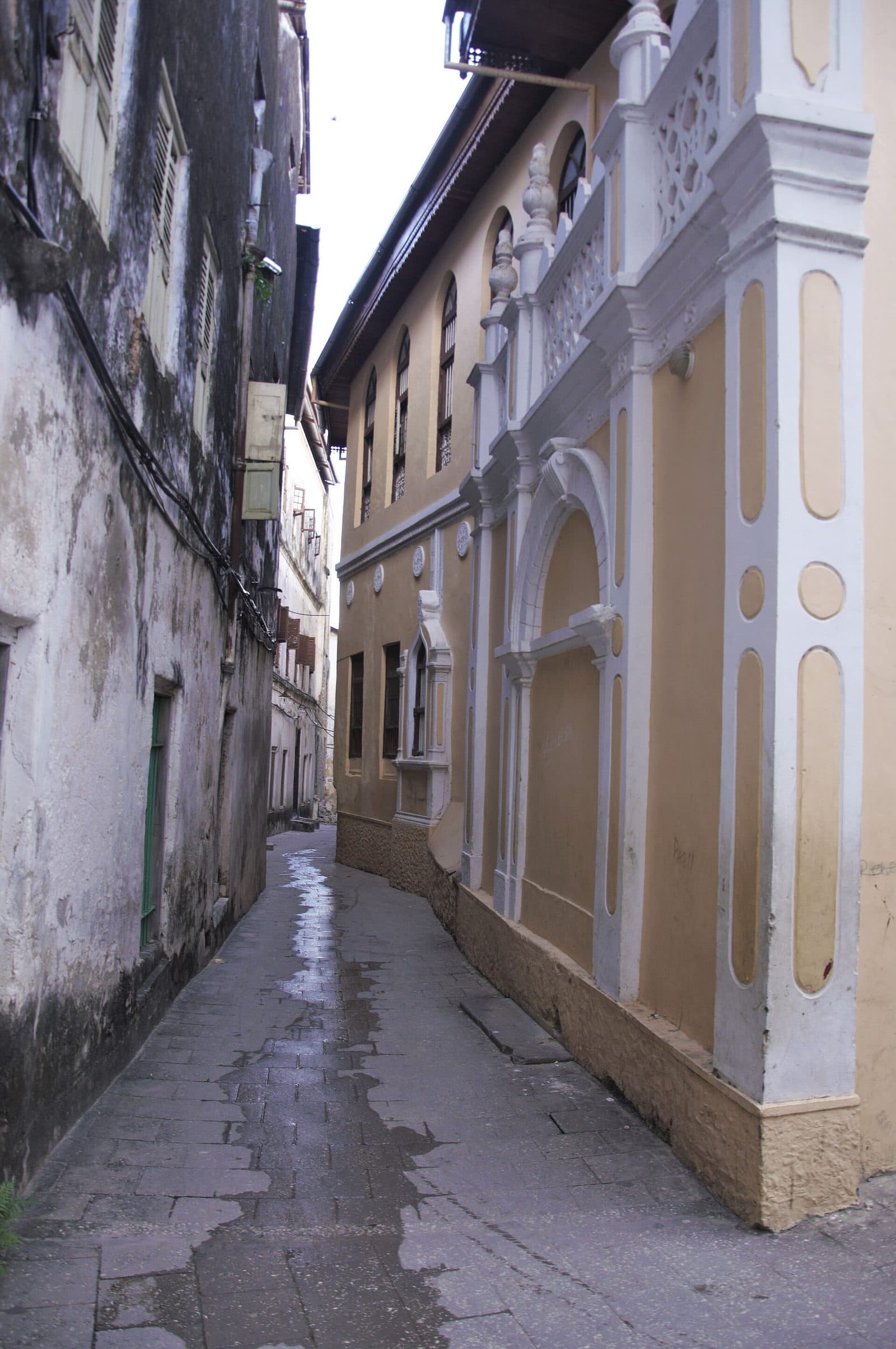
Stone Town is the old core of Zanzibar City and the first stop for almost every trip to the island. Coral-stone buildings, carved wooden doors and alleys too narrow for cars hold centuries of monsoon trade, spice fortunes and a difficult history. It is compact, walkable, and best experienced slowly.
Give it a full day and an evening. Most people arrive, drop their bags, and make the Forodhani night market their first taste of the town.
Why Stone Town matters
The town is a UNESCO World Heritage site, and the fabric of the place is the attraction: coral stone walls thick enough to hold the heat out, balconies over narrow lanes, and doors carved by Indian and Omani craftsmen whose patterns signalled the status of the household behind them.
Zanzibar grew rich on cloves and trade routes that connected Africa, Arabia and India. That history includes the East African slave trade, and the town deals with it honestly: the former slave market site is now home to a memorial and an exhibit that many visitors find the most moving hour of their trip.
What to see
You do not need a checklist to enjoy Stone Town, but these are the anchors:
- Old Fort (Ngome Kongwe): the Omani-era fortress facing Forodhani Gardens, free to enter, with craft stalls in its courtyard.
- House of Wonders: the grandest building on the seafront has been closed for restoration since a partial collapse in 2020; admire the facade and ask locally whether any part has reopened.
- Palace Museum: the former sultan's residence on the seafront, covering Zanzibar's royal history.
- East African Slave Trade Exhibit and Anglican Christ Church: on the site of the former slave market; the memorial there is sobering and worth your time.
- Darajani Market: the working produce market where the town actually shops; go in the morning.
- The carved-door lanes around Jaws Corner: pick any alley off Kenyatta Road and get lost on purpose.
- Forodhani Gardens after dark: the night market, with grilled seafood skewers, Zanzibar pizza, and fresh sugarcane juice pressed in front of you.
- The dhow harbour at sunset, when the wooden boats come alive; the terrace at Africa House has the classic view.
Eating and drinking
Forodhani's stalls are the evening ritual, but the town's best cheap food hides in canteens: look for urojo (also called Zanzibar mix), a tangy tamarind-and-chickpea soup piled with fritters and chilli. Lukmaan, near Kenyatta Road, is the reliable choice for inexpensive Swahili home cooking at lunch.
Shangani and the seafront hold the rooftop and terrace restaurants, pleasant for a slow dinner and noticeably pricier than the canteens two lanes inland.
Getting around and staying safe
Stone Town is explored on foot. The lanes are deliberately confusing: hand your map back after ten minutes and wander, and you will exit somewhere useful eventually.
If you want a guided walk, licensed guides congregate around the Old Fort; agree the route and price before setting off. Dress modestly: this is a majority-Muslim city, so cover shoulders and knees away from the beach. Fridays around midday prayers are the busiest and most reserved hours.
Petty theft happens in the crowds. Use a phone strap, keep bags zipped and in front of you, and carry only what you need for the day. ATMs are limited to a few bank branches, so carry some cash.
Easy add-ons from town
Three boat trips leave from the Stone Town seafront and fill a half-day each: Prison Island (Changuu) to see the giant Aldabra tortoises, about 30 minutes each way; the Nakupenda sandbank for a few hours of white sand and swimming; and sunset dhow cruises that put you on the water as the town turns gold.
All three are sold at kiosks along the seafront and through every hotel. Prices move with the season and your negotiating, so agree what is included (boat, gear, park fees) before you board.